Category: STRETCH

  • I’m Obsessed With Sabrina Carpenter’s Surprisingly Toned-Down Look — See Photo

    I’m Obsessed With Sabrina Carpenter’s Surprisingly Toned-Down Look — See Photo

    Sabrina CarpenterPhoto: Getty ImagesSave StorySave this storySave StorySave this story

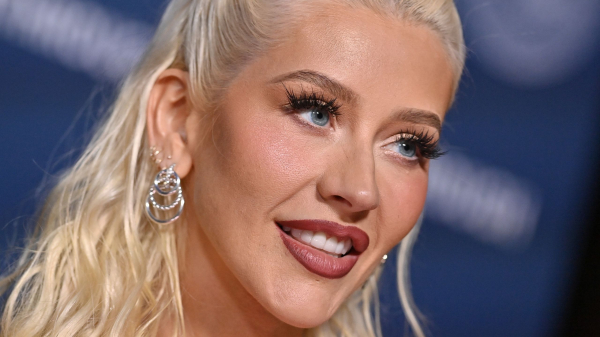
    When it comes to personal beauty preferences, I'm definitely a lower-maintenance kinda gal. But boy, do I have the utmost respect for those who go all-out with their hair and makeup. Take Sabrina Carpenter, for example: Her signature look always includes a voluminous blowout and fully dolled-up eyes. I wish I had the time (and team) to do the same on a regular basis. But even full-glam girls like to take a break from the works every now and then, and over the weekend, Carpenter proved she looks just as gorgeous going for a more subtle look.

    The award-winning pop star appeared at the Variety Hitmakers event on Saturday night in a strapless, patchwork archival Ralph Lauren dress that couldn't have looked more romantic. And while Carpenter's usually big, softly sculpted hair, false lashes, and ample eye shadow would have looked phenomenal with this style, I love the way she softened things up with a more subdued look.

    Instead of perfectly positioned retro volume, Carpenter's hair was styled with loose, borderline messy waves that gave an air-dried feel. Instead of a teased crown and round-brushed curtain bangs, her hair gently, wavily fell in a middle part.

    Sabrina Carpenter posing in a strapless patchwork gownPhoto: Getty Images

    Although Carpenter still opted for overlined lips, dark brows, and a healthy dose of blush, her eye makeup was significantly pared down: just a hint of luminous beige shadow and a coat of what looks like brown mascara on her top and bottom lashes.

    After months of touring in tons of makeup and what I assume is a cloud of hairspray, I don't blame her for taking a break from a complete beat, even if just for one night. Looking as lovely as she does either way, it's a win-win.

  • How One Woman Turned Her Battle With Eczema Into a Lifeline for Others

    How One Woman Turned Her Battle With Eczema Into a Lifeline for Others

    Cynthea CorfahKatie CoffeeSave StorySave this storySave StorySave this story

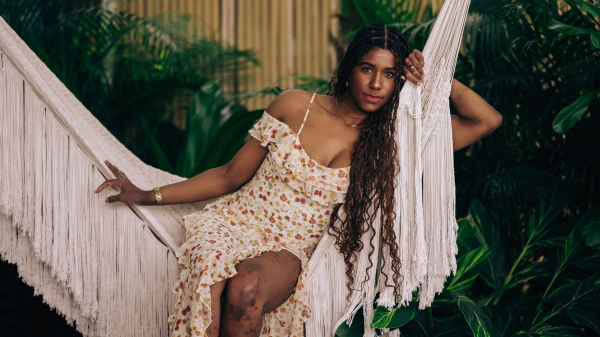
    In Cynthea Corfah’s junior year of high school, she won a pageant and moved on to the next level of competition: regionals. Though she was having an eczema flare, for her casual look, she wore a floral sundress that went a little past her knees but didn’t hide the small patches of dryness on her legs. She didn’t win.

    Contestants were allowed to ask the judges for feedback to improve future performances. When Corfah requested pointers, she got only one note. “It was something like, ‘Needs to cover bruises better,’” she recalls.

    “At first I thought, ‘What are they talking about?’” says Corfah. Looking back at it now, in her 30s, she says, “There was so much wrong with that judge’s comment. If he really thought I had bruises, he probably should’ve checked on my welfare.” In any case, the fact remains that the patches he noticed weren’t bruises, Corfah says, calling it “heartbreaking” to discover that her skin condition was the only reason she lost points. It felt like a “slap in the face” after she so vulnerably put herself out there, eczema and all.

    The beginning of something bigger

    While that pageant experience made Corfah more self-conscious, she didn’t let her eczema keep her out of the spotlight. After all, she has been navigating periodic eczema flares since infancy. One flare Corfah will never forget came in sixth grade, when the skin on her ankle got so inflamed that it started oozing liquid, which dried and caused her socks to stick to her legs by the end of the day. But she went to the doctor, got topical steroids that tamed her occasional flares, and moved on, she says.

    Years later she took to social media to chronicle her experience trying to heal her eczema naturally through dietary and lifestyle changes like ditching dairy, decreasing stress, and avoiding allergens. Through those posts she caught the attention of the National Eczema Association. After sharing her story on the organization’s website, she began working with the group on larger projects, including creating marketing materials and moderating discussions for Black women at Eczema Expo, an annual gathering for people with the condition and their loved ones.

    “The first Sister Circle I moderated was only slated for 30 minutes, but no one wanted to leave at the half-hour mark. We were so fired up talking to each other,” she says. “I realized I had to capture that energy more than once a year.”

    As a result, Corfah launched Black Girls With Eczema, an Instagram page that aims to bring together women of color with the condition who want to connect on a deep level. “It’s a group. It’s a collective. It’s a movement,” she says. The page debuted at the end of July 2025, and by the following month it had grown to a few hundred followers across the globe, according to Corfah. On the account she posts about everything from managing eczema’s mental health impacts to flaunting your skin even when you’re having a flare.

    Women are turning to the account for awareness, representation, and validation. “Members are seeing themselves in the women that I share on Instagram,” Corfah says. “I’m seeing a lot of teary-eyed emojis from women who are relating. This is about making other Black women feel understood, giving them a place to share their stories, helping them gain clarity, and letting them know they’re not alone. It validates their experience.”

    Corfah says one of the highlights of running the account has been partnering with influencers who live with eczema. For example, she met Jada Jones at Eczema Expo, and then they teamed up on a “collab post.” “The one thing that brought us so much pain and discomfort over our lives actually brought us together,” says Jones, who talks about her experiences with her skin condition on social media.

    Why eczema impacts Black women differently

    “There’s something special about Black women with eczema. We’re having a very niche experience,” says Corfah, adding that there are both physical and emotional differences in how the skin condition affects women of color compared to lighter-skinned individuals. “In the Black community, for example, being ashy is an insult,” she explains. “Having dry skin is nothing to be proud of.” Unfortunately, dry skin is often the default for someone with eczema.

    Eczema flares can also leave behind hyperpigmentation, which Corfah says may cause some Black women to reexamine their appearance in a complicated way. “Your skin can turn darker shades of brown,” she explains. “When this happened to me, I had to wonder, Does being fairer-skinned make me more beautiful? Does having darker skin because of my hyperpigmentation make me question my beauty?”

    And then there’s the issue of hair. Black people are more likely to experience seborrheic dermatitis than other individuals, which is a type of eczema that usually appears on the scalp (along with other areas like the face and chest) and can cause itchy scales, inflamed skin, and flakes. In fact, seborrheic dermatitis is one of the top five most common dermatological diagnoses in Black patients. “A lot of Black women wear protective styles, like braids or Bantu knots, or have naturally curly hair,” says Corfah. “Products for those styles tend to have lots of fragrances, nut oils, and irritants in them—additives that someone could be allergic to.”

    It’s common for people with atopic dermatitis to also have allergies, as well as other sorts of sensitivities. “Finding natural hair products that are supportive to eczema-prone skin is very challenging,” says Corfah. She found out the hard way that many hair glues contain latex, one of the many things she’s allergic to (others include tree nuts and cats). The first time she tried a quick weave (a style in which strips of hair are glued directly onto a protective cap covering your natural hair rather than being sewn), Corfah broke out in full-body hives. For those with eczema and allergies, you have to not only watch out for all the things that can cause a flare, but also allergy triggers that can worsen your skin condition.

    The community cure

    To help women navigate these sorts of issues, Corfah is beginning to extend Black Girls With Eczema’s community-building work beyond Instagram. She hosted a virtual wellness walk in October (Eczema Awareness Month) and plans to launch in-person meetups, ranging from regional gatherings to—her ultimate goal—a retreat. “Imagine something restorative that is an opportunity to relax, eat super-nutritional food, and talk about the mental health piece of this,” says Corfah. “I want to explore the ways that negative emotions and experiences we hold on to get stored in our bodies and manifest as eczema.”

    “I’m less interested in the number of followers we have,” she continues. “I’m more interested in impact: How many people are we getting together online and in person?” After all, Corfah explains, she knows firsthand that having eczema can be an isolating experience. “Unless you’re surrounded by family members or friends who are going through the same thing, you can really feel lonely,” she says.

    Through Black Girls With Eczema, Corfah hopes to create a network that shows women they don’t have to go at it alone. She wants them to see themselves in the other people on the page and make connections that provide understanding, support, and encouragement. That’s been key to her own eczema journey. “Before I started going to Eczema Expo and running this group, I suffered in silence when I had flares. I didn’t talk to anyone about them; I just hoped they’d go away,” she explains. “But all the times I didn’t open up, I felt like I was delaying my healing.” Now she’s not only speaking out about her own experiences but helping hundreds of women like her with their healing.

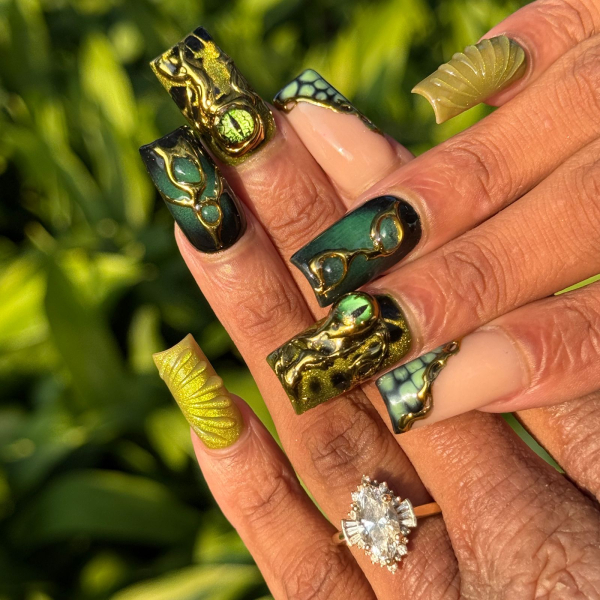
    Corfah also aims for Black Women With Eczema to be a place where women can share resources. Connecting with supportive professionals can be a huge help, she says. For instance, Corfah regularly gets flare-ups on her hands, but she gets stunning acrylic sets from a nail technician who is sensitive to her condition—and is well worth the hour-plus drive from her home in New Orleans, she says.

    manicure

    Corfah regularly travels to a nail salon in Baton Rouge that’s over an hour from her home in New Orleans. She says the time spent in the car is well worth it because her manicurist is sensitive to her needs.

    Cynthea Corfah

    At the end of the day, she urges other Black women with eczema not to dim their light because of their skin condition. “Keep showing up. Keep using your gifts. Keep taking up space,” says Corfah, who also works as a professional model and recently attended five casting calls for New York Fashion Week. “Don’t waste your time worrying about what other people think about your skin. Life is too short for that.”

  • The Biggest Makeup Trends of 2026 Signal a Colorful Vibe Shift

    The Biggest Makeup Trends of 2026 Signal a Colorful Vibe Shift

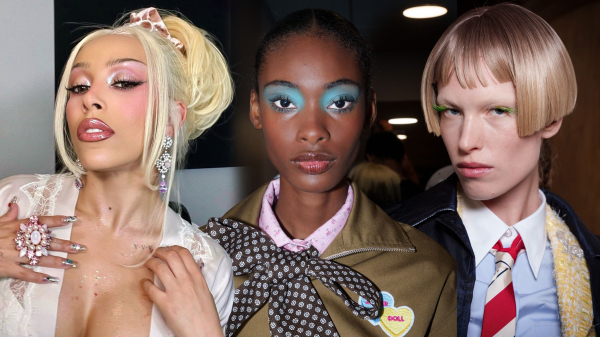
    2026 makeup trends shimmer eye shadow 80s makeup and colorful eyelashesCourtesy of MAC Cosmetics and LaunchmetricsSave StorySave this storySave StorySave this story

    You’ve probably noticed—on your socials, at your favorite retailers, or even just walking down the street—that it’s becoming increasingly difficult to predict what will happen next week, let alone next year. According to Pinterest’s Predict Report for 2026, trends evolve 4.4 times faster than they did seven years ago, and the constant turnover has a lot of us feeling exhausted after constantly being told what is “cool.” “People are fighting trend fatigue by curating, not copying… embracing looks that feel true to who they are or they aspire to be,” the report states.

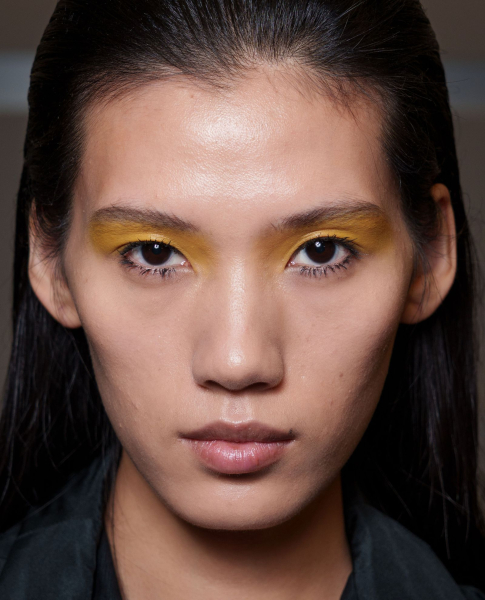
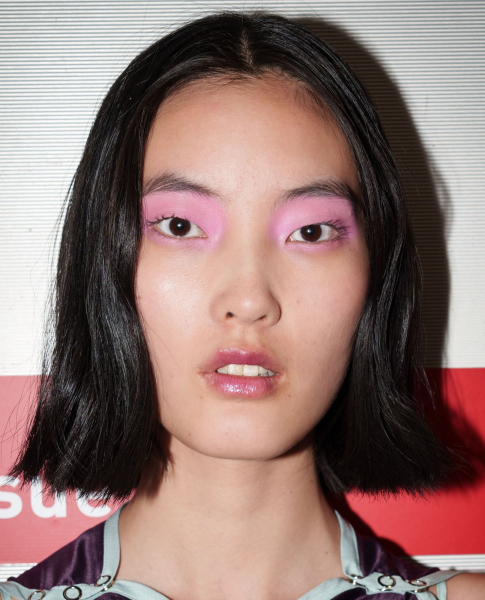
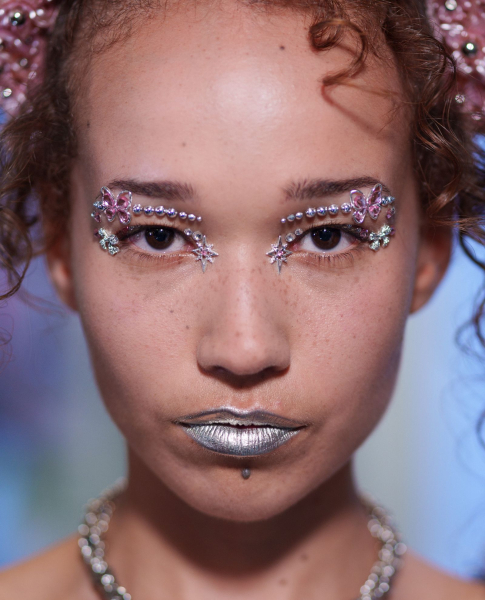
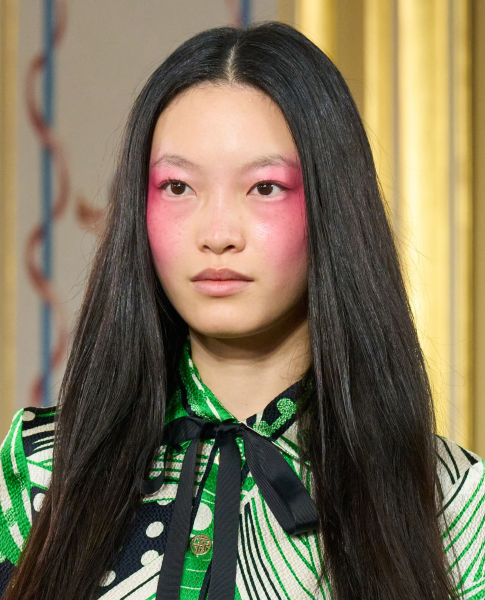
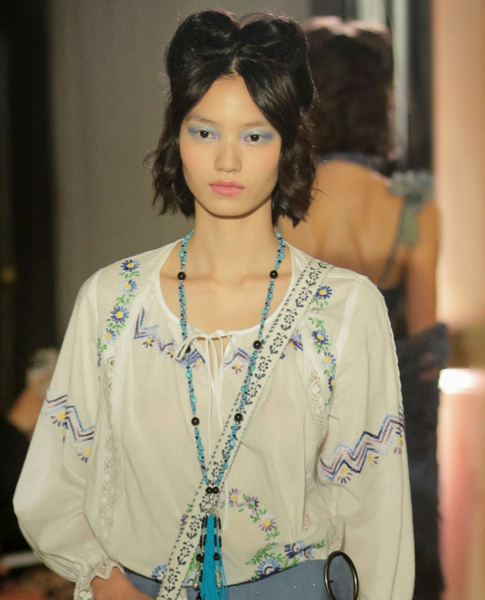
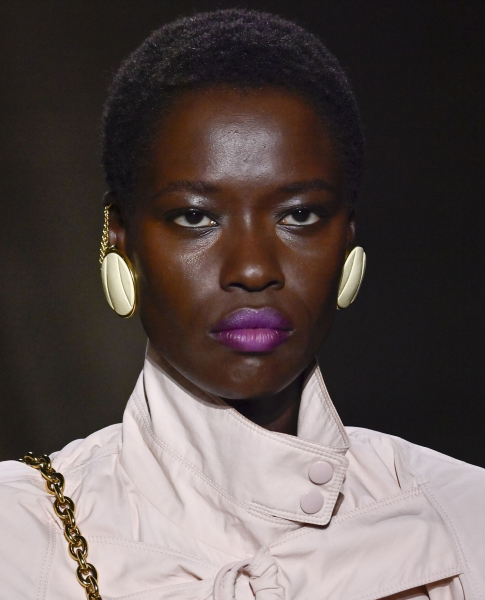
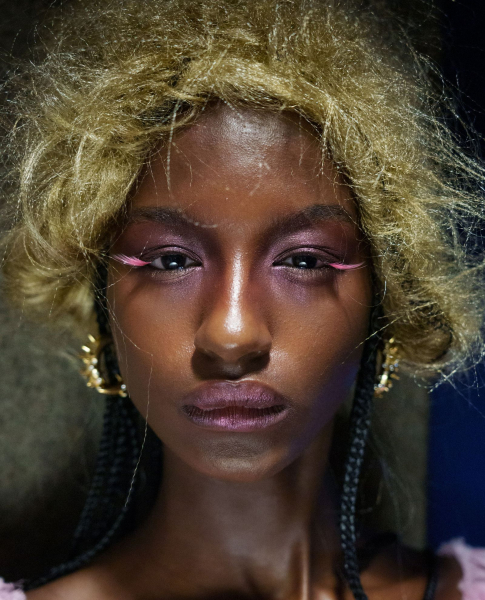
    The makeup artists, trend forecasters, and retail buyers we spoke with echo similar sentiments, while the rainbow-colored eye shadow and pastel lips on the spring 2026 runways seem to indicate a desire for more color, texture, individuality, and fun in makeup.

    Kaitlin Rinehart, Ulta’s vice president of merchandising, says the retailer expects to “see more experimental looks and a shift from neutral products to those that deliver more color payoff and personal expression.” Makeup artist Lauren Andersen sees a growing appreciation for artistry and makeup among her clients that is expressive and emotional, not corrective. And makeup artist Alex Levy feels he’s seeing less of a homogenous look online. “There’s definitely a push towards individuality,” he says, “and within that we’re finding pockets of folks who gravitate towards similar, perhaps more niche, aesthetic interests.”

    The latter half of 2025 saw goth and grunge makeup return to the mainstream. In 2026, gaming's presence in the beauty industry will grow, with new brands and launches pushing texture and pigment into otherworldly, multidimensional realms. K-beauty will continue to have an impact on social media and beauty shelves, especially for lip stains and complexion products.

    South Korea might be inspiring brands to look to the future, but nostalgia is the driving influence for millennials and Gen Z’ers. Rinehart predicts customers will use artistry brands to “bring back bold and colorful looks from the 2000s and 2010s,” while makeup artist Alexandra French thinks we’re about to see “the 10-year beauty cycle go into effect—a lot of 2016-style full glam but done much better.” Going even further back, there’s a growing fascination with the pastel lips and draped blush of the 1980s for members of generations that missed the era of excess.

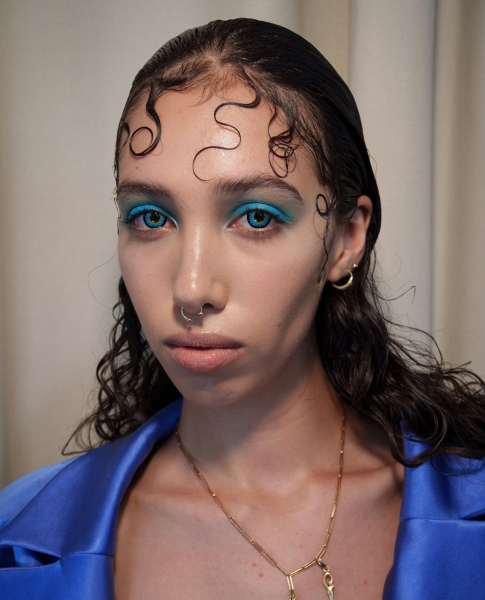
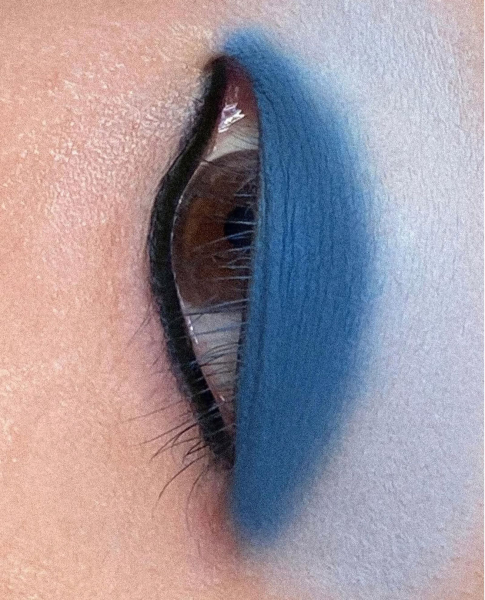
    Multiple makeup artists use the word “intentional” when speaking about makeup in 2026. “There’s a strong desire for authenticity; people still want to look polished, but not ‘done,’” Andersen explains. As you scroll your feeds, you’ll see that you can play up your lashes with faux clusters, adding a slash of bright blue shadow across lids, or by picking a new foundation that toes the line between makeup and skin care. If we can predict anything about makeup in 2026, it’s that it’s time to make it all about you.

    ROGYBV Lids Are Making Their Comeback
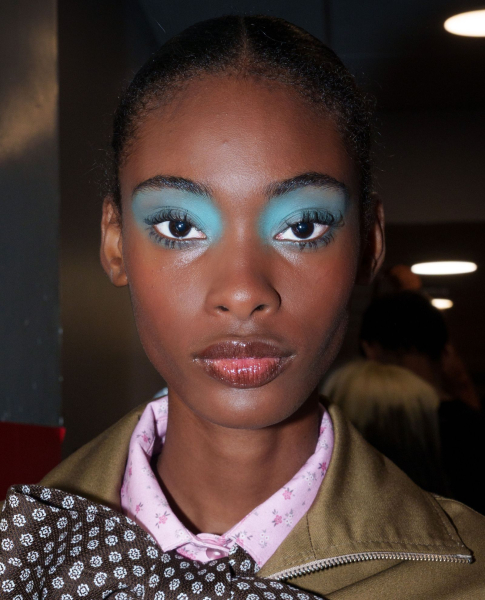
    zommer paris ROGYBV Lids courtesy of LaunchmetricsCourtesy of LaunchmetricsROGYBV Lids at Togar in 2025Courtesy of Launchmetrics2026 Makeup Trends Colorful lids LEnchanteurCourtesy of Launchmetricsblue eye shadow on eyelid with black underlinerCourtesy of @siddharthasimoneMakeup Trends 2026 pastel pink lids at zomer parisCourtesy of Launchmetrics

    A rainbow of eye shadow shades came down the spring runways at shows like Tom Ford, Schiaparelli, Courreges, and Toga, and this has us wanting to bring a bit of color back to our lids in 2026. “I think we are seeing the pendulum swing in the opposite direction from the clean girl [aesthetic],” says French. “The tired, messy girl and lo-fi aesthetic is all the rage right now, but I’m already seeing trends leaning into sculpted skin with sharp liner and colorful eye shadow.”

    For IRL inspiration, Andersen’s Instagram is full of colorful shadow looks that feel super translatable for real life (head to her Reels, where she creates colorful looks on herself). She has two guiding rules for rocking rainbow-bright eye makeup: shapes (choose one that’s tried and true for you, whether that’s a veil of pigment, a sharp cat eye, or a block of color on the lids) and balance (pare back the rest of your makeup).

    On the more glamorous end of the spectrum, French recommends checking out Sophia Sinot on Instagram, Zara Larsson’s makeup artist, who incorporates glitter and rhinestones into her colorful shadow looks. “Based on the likes and re-creations of the looks, I think we are all hungry for colorful makeup to have a comeback,” French says.

    When it comes to products, Andersen starts with creamy, blendable formulas as a base, followed by a powder on top. "Danessa Myricks Colorfix or MAC Pro Paint Sticks layered thinly under powder shadow are perfect because they set without dulling the color on top,” she says. For powders, she loves artistry-driven brands with boldly pigmented formulas, including Pat McGrath Labs, Hung Vanngo, and Jo Baker’s Bakeup Beauty.

    Sci-Fi Shimmer Will Be a Thing
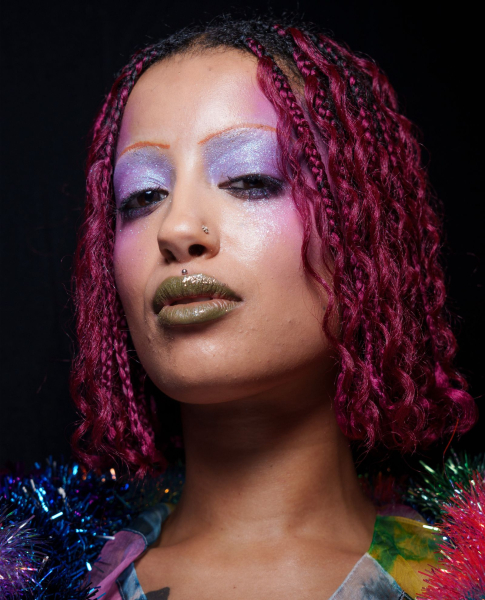
    2026 Makeup trends scifi metallic eye shadow and lipstickCourtesy of Launchmetrics2026 Makeup trends scifi metallic lipstick  Chopova LowenaCourtesy of Launchmetric2026 Makeup Trends  Gold lipstick  luarsifi shimmerCourtesy of Launchmetrics2026 Makeup Trends SciFi ShimmerCourtesy of MAC Cosmetics

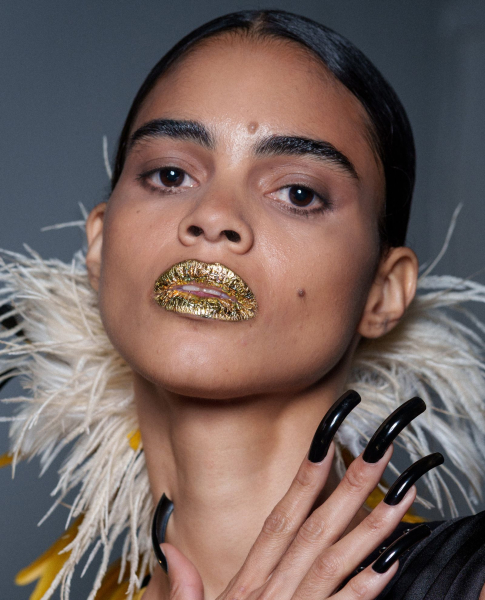
    There are elements of escapism in this trend, characterized by futuristic, holographic makeup looks that take cues from gaming and science fiction and tap into the makeup industry’s current obsession with texture. “We’re seeing much more interest in how to manipulate color in a way that puts beauty into the third dimension,” says Levy. “I also think it's interesting for people to dream about beauty and social standards in the future and what that would look like, because the current climate is… yeah…”

    There are no rules when it comes to this type of makeup (which, by the way, also makes an appearance on Pinterest’s top beauty predictions for 2026), but there are emerging brands that are entirely dedicated to the sci-fi-inspired aesthetic. Godmode Beauty, for instance, explores the intersection of makeup and gaming, promising customers that its products will unlock “new worlds, characters, and modes of expression” with shimmer-shadow quads and holographic highlighter.

    Hyrular aims to infuse luxury makeup with an element of the surreal. Also inspired by gaming and the avant-garde, its first launch is the Nebubalm, which comes in two futuristic, multichromatic hues: Halcyon, a mauve tone with turquoise shimmer, and Nymphaea, a magenta flecked with pink and lilac glitter.

    Heritage brands also seem to be getting the hint that there’s a demand for the surreal and shade-shifting: In 2025, Stila introduced its Chromatic Liners; Refy released the Chrome Collection, with a silvery highlighter and glitter-flecked lip gloss; MAC expanded its Dazzle franchise across eyes and lips; and Violette_FR debuted its multichrome Lune Liners.

    We’re Going Back to the '80s
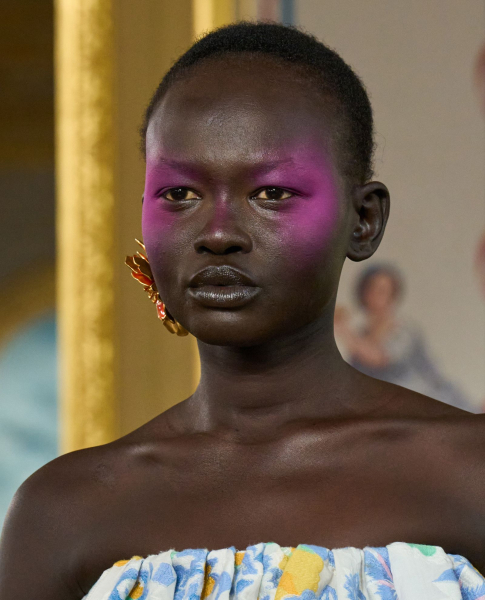
    2026 Makeup Trends 80s blush Leonard clp S26Courtesy of Launchmetrics2026 Makeup Trends 80s blush AadnevikGetty Images2026 Makeup Trends 80s blush Leonard clp S26Courtesy of Launchmetrics2026 makeup trends 80s blue eye shadow at anna suiCourtesy of Launchmetrics2026 makeup trends 80s makeup fuchsia lipstickGetty Images

    With the growing appetite for louder looks in 2026, makeup from the 1980s seems to be coming back into the zeitgeist. And one doesn’t have to look far to see the signs: With the release of the final season of Stranger Things and spring runways full of nods to the era of shoulder pads and Aqua Net, there’s plenty of inspiration to pull from.

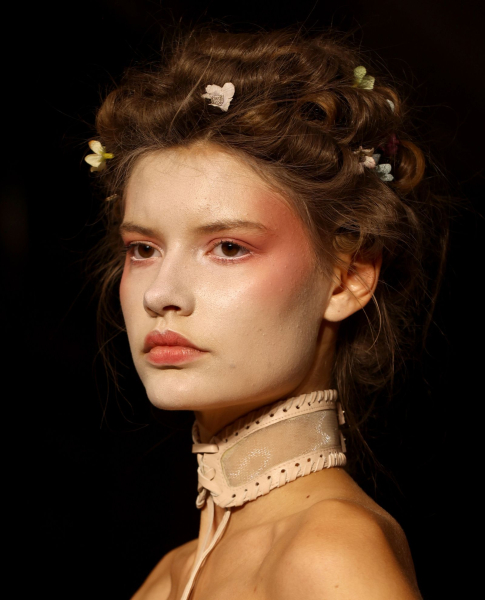
    Bright blush was all the rage in the ’80s, and it was draped along the temples and cheekbones at spring 2026 shows, like Leonard Paris and Apujan and Aadnevik in London. Makeup artist Pat McGrath made a striking case for blue eye makeup—another ’80s staple—first at Anna Sui, where she paired shimmering blue shadows on lids with blue mascara on lashes; and then at Schiaparelli, where she dipped into her Gilded Nirvana Mega Palette to create sky blue smoky eyes straight out of a Culture Club music video.

    If your makeup bag needs a colorful update, there will be no shortage of options in the new year. Brands and retailers have been anticipating the shift, with Ulta adding viral and artist-focused brands like Half Magic and Made by Mitchell to its shelves to help people create more experimental looks, says Rinehart. “We expect a shift from more neutral products to those that deliver more color payoff and personal expression,” she adds.

    Some brands are pulling shade ideas directly from superstars of the ’80s: Highr Collective’s latest lipstick is inspired by one of the decade’s music and beauty icons, Debbie Harry, a response to customer requests for more colorful options from the existing range. The medium, poppy-pink color, called Dollface, is similar to what Harry wore as a symbol of rebellion at the time. “Her signature pink makeup look was like a caricature of traditional ‘pretty’ norms,” says Molly Hart, Highr Collective founder. “She used makeup in a rebellious, exaggerated way, and showed women that they could use color to have fun rather than conform.”

    At-Home Lashes Level Up
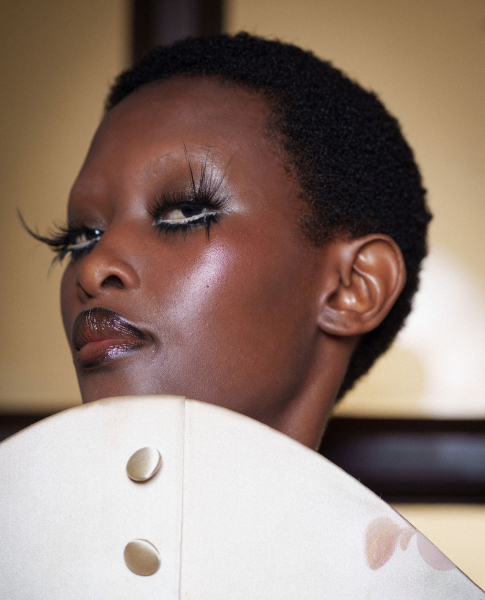
    2026 makeup trends long eyelashes haris reedCourtesy of Launchmetrics2026 makeup trends gold eyelashes at moschinoGetty Images2026 makeup trends gold eyelashes at collina stradaCourtesy of Launchmetrics2026 Makeup Trends colorful lashes at thom browneCourtesy of Launchmetrics

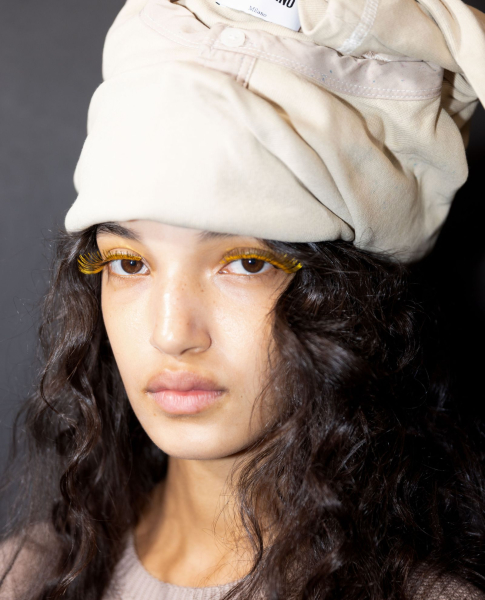
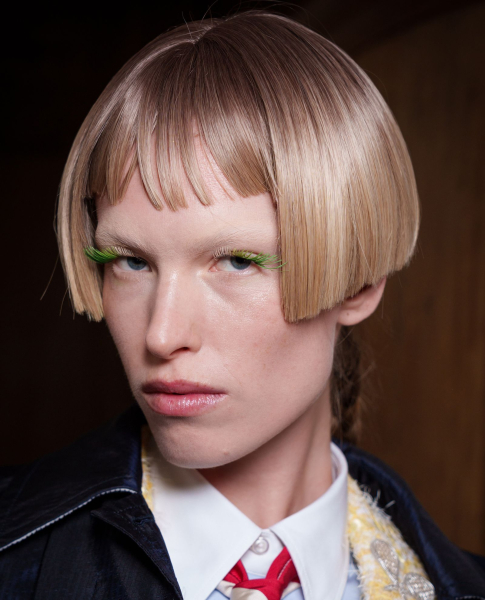
    Next year, prepare to up your lash game, whether that means breaking out a tube of colored mascara or finally learning to apply false lashes on your own. The spring 2026 runways were full of exaggerated lash looks, many of which may be a bit too exaggerated for the office or a first date; but, according to Spate Data, interest in how to enhance your lashes at home is at an all-time high. Searches for “cluster lashes” and “magnetic lashes” across both Google and TikTok are up over 50% since this time last year. Meanwhile, the brand Eylure has been generating tons of buzz on TikTok for its magnetic lashes as a way to achieve the effect of lash extensions at home.

    “People are moving back to strip and cluster lashes for at-home convenience, cost savings, and something that really fits their lifestyle,” says Tisha Thompson, makeup artist and LYS founder, of the growing trend. Lash clusters are especially nice because they’re less hassle than strips.

    “Right now I love enhanced corner lashes—anything that will make the eyes appear lifted and dramatic but still have that natural look to it,” says makeup artist Erika La’Pearl, who recommends the i-Envy Cluster Palette. Andersen is a fan of individual Ardell lashes and Lashify clusters, while Levy likes Kiss lashes for their ease and price point. We’re also fans of LYS’s Uplifted Pre-Glued Lash Clusters, which are some of the easiest fake lashes we’ve ever used.

    Enhancing your lashes, whether that’s with a few small clusters or a colorful mascara, “doesn’t require a ton of extra products to get the look done, like brushes or sponges,” says Levy, who gives a shout-out to Maybelline Lash Sensational Sky-High Mascara for having a great shade range, if you prefer to go that route. “It’s an easy and effective way to transform your look in a subtle, less high-stakes way.”

    Lip Stains Will Continue to Reign Supreme
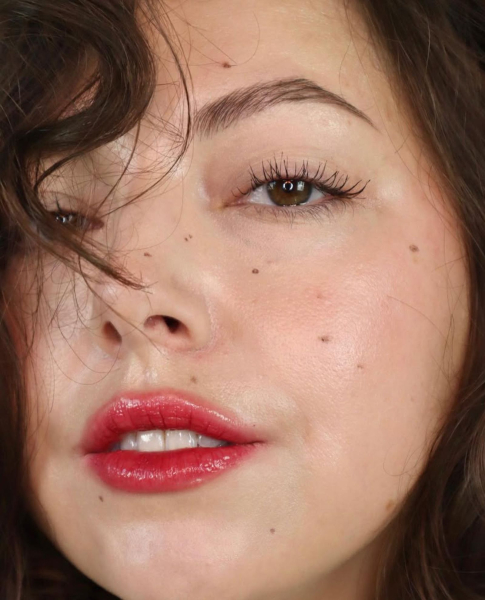
    Image may contain Person Skin and AdultCourtesy of @erikasbeautycornerImage may contain Head Person Face Photography Portrait Black Hair Hair Adult Cosmetics and LipstickCourtesy of LaunchmetricsImage may contain Face Head Person Photography Portrait Skin Adult Cosmetics and LipstickCourtesy of Launchmetrics

    Lip stains will remain the lip product of choice in 2026, according to just about everyone we spoke to. “They have become a staple ‘lazy' beauty hack for consumers who want long-lasting performance and convenience,” says Megan Bang, beauty strategist at WGSN, a trend-forecasting agency in London.

    In the new year, Bang predicts, formulas will continue to improve in terms of comfort and good-for-your-lips ingredients, and take inspiration from the innovative textures and nuanced tones seen in K-beauty brands. “Blurry-matte textures will dominate the category, with ‘cloud lips’ that emphasize comfort and a soft, blurry finish leading lip conversations,” Bang adds.

    At Ulta Beauty, customers are already loving “softer, more blurred-out looks that they can achieve with products like Fwee Lip and Cheek Blurry Pudding,” says Rinehart. Regarding K-beauty’s influence on the category, she explains, “we are seeing a number of established brands like NYX Professional Makeup innovate with new product launches that are inspired by some of the global trends and products we are seeing in the beauty category overseas.”

    “A lip stain is perfect for the blurred-lip trend, because the color looks lived-in and personal,” says Andersen, who loves Dior Addict Lip Tint and Victoria Beckham Bitten Lip Tint for getting that just-bitten effect. One of the soft-focus lip liners from brands like Merit and Refy will also work well for this look, but we foresee a lot of newness in the lip-blur category next year.

    Says Erin Lindsay, ColourPop’s director of product development, “I can’t wait to share what ColourPop has been working on for 2026 to reignite our community’s love for our lip products while bringing them something trendy and innovative…. Stay tuned!”

    Pastel Lipstick Will Be Your Dopamine Kick
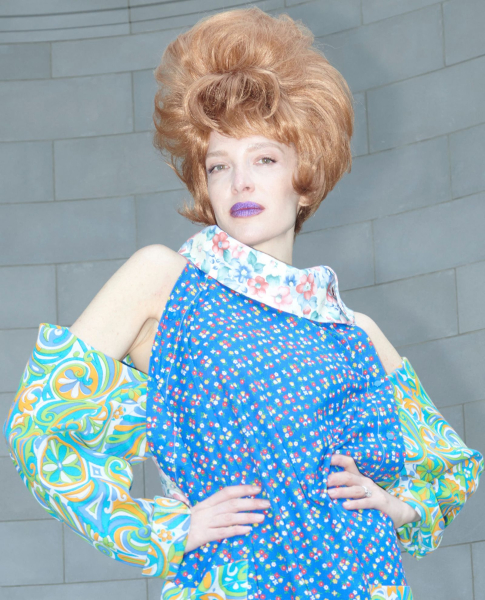
    colored lipstick at batsheva resort 2025Courtesy of Launchmetrics2026 Makeup Trends colored lipstick at Conner IvesCourtesy of Launchmetrics

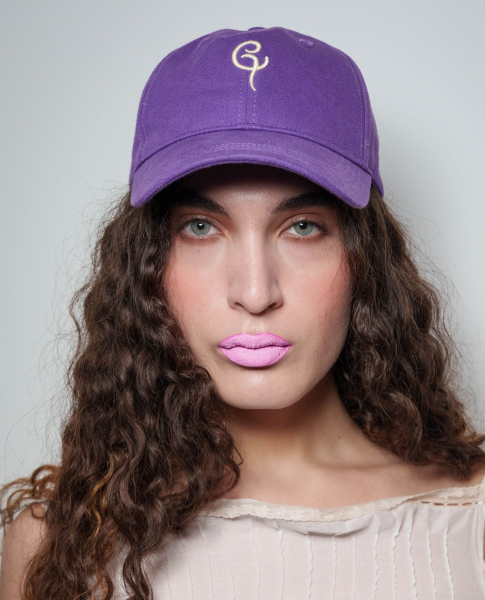
    Makeup artists were feeling sweet—and a little quirky—backstage at the spring 2026 shows. Runway after runway featured statement-making pastel lips, from Pepto pink at Chloé and Connor Ives to a full range of Sweethearts candy-inspired hues at August Barron.

    These looks, applied boldly and unapologetically, were shocking in their overt sweetness. Though that might seem out of left field, it does play into a growing desire for all things sugary and delightful, a trend that Spate Data has been tracking over the past few months. “Consumers are seeking more dopamine in their daily lives, and infusing everyday moments with whimsy has become one way to achieve it,” the company wrote in its 2025 Culture Report. “From fashion and hairstyles to makeup… consumers are increasingly looking for—and sharing—playful ways to bring more whimsy into their lives, across Google Search and TikTok.”

    This trend is less about finding a shade that perfectly complements your skin tone and more about choosing one that brings a little joy to your life. At August Barron, makeup artist Thomas de Kluyver dipped into the matte Haus Labs Hy-Power Pigment Paints, mixing primary shades with white to pale them out. Makeup artist Lucy Bridge also custom-mixed hues at Connor Ives, blending MAC Painsticks and Chromalines, although the brand does have plenty of pastel options in its Macximal Sleek Satin and Silky Matte Lipstick lines.

    Here’s hoping NYX might take notice and bring back its Macaron Lippies from 2014. For now, though, Kylie Cosmetics King Kylie A Decade Matte Lip Kit has the return of a pastel beige-pink favored by the reality star from around that same time.

    Base Products Will Do the Most
    spring 2025 makeup trends fresh skin at Prabal GurungLaunchmetricsbronzer blush on model  summer makeup trends 2025Launchmetrics

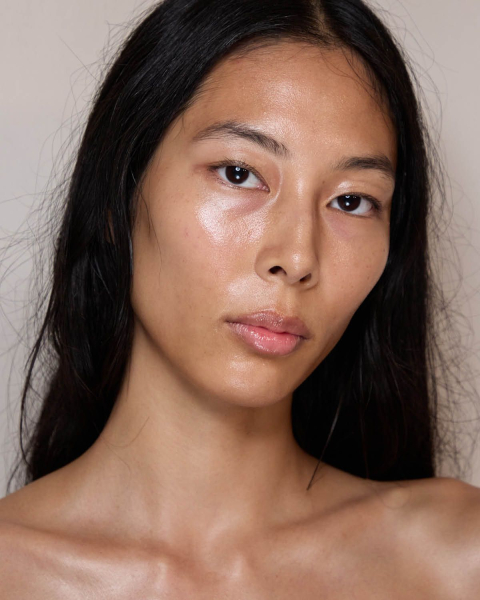
    Skin will remain the priority in 2026, says Andersen: “People want luminosity that looks like it’s coming from within rather than from a highlighter on top,” she explains. “And I’m seeing more requests for sheer textures, lightweight bases, and products that move with the skin instead of masking it.” This isn’t any different from what people wanted throughout 2025.

    What is different is that brands are racing to develop base products that promise to be more moisturizing and offer greater skin-health benefits. “We’ll continue seeing brands play in the hybrid space between skin care and makeup,” says Thompson, “as consumer demand will turn these formulas into more of an expectation than a nicety.”

    But can skin-care ingredients in makeup really make a difference for your complexion? “If you use the same makeup every day, you might benefit from even a small amount of active ingredients, such as SPF or minerals to help maintain a good moisture barrier,” says Ellen Marmur, MD, a board-certified dermatologist based in New York City.

    Kelly Dobos, a cosmetic chemist and adjunct professor of cosmetic science at the University of Cincinnati, adds that there are limitations on which additives can be used effectively in makeup. In addition to what Marmur mentions, you'll likely see hyaluronic acid (a moisture retainer), niacinamide (for brightening), and salicylic acid (for treating acne) on product labels, as they're easy to combine with pigments. Still, you shouldn’t expect dramatic results from skin-care-infused makeup alone, as the concentrations tend to not be very high.

    The popularity of Bobbi Brown’s Skin Foundation Stick, LYS’s Bright Start Concealer, TIRTIR's Mask Fit Red Cushion, and Best of Beauty-winning Haus Labs Triclone Skin Tech Medium Coverage Foundation are all examples of foundations that feature skin-care ingredients. We’ll see more serum-like foundations in 2026, starting with The Outside In Silk Serum Foundation, the first product from a new brand by Hourglass’s Carissa James.

    “These products are taking off because people want beauty that fits real life,” says Yolonda Frederick, a makeup artist and global artist in residence for Bobbi Brown. “Formulas that blend fast, last long, and feel effortless are winning because they make makeup easier, not heavier. It’s about smart beauty, not more makeup.”

    Meet the expertsAccordionItemContainerButtonLargeChevron

    • Lauren Andersen is a makeup artist who splits her time between New York, Austin, and Los Angeles.
    • Megan Bang is a beauty strategist at WGSN, a trend-forecasting company in London.
    • Kelly Dobos is a cosmetic chemist and adjunct professor of cosmetic science at the University of Cincinnati.
    • Yolonda Frederick is a makeup artist and global artist in residence for Bobbi Brown.
    • Alexandra French is an Emmy Award-winning makeup artist in Los Angeles.
    • Molly Hart is the founder of Highr Collective.
    • Erika La’Pearl is a Los Angeles-based makeup artist and iEnvy spokesperson.
    • Alex Levy is a New York City-based makeup artist.
    • Erin Lindsay is ColourPop’s director of product development.
    • Ellen Marmur, MD, is a board-certified dermatologist based in New York City.
    • Kaitlin Rinehart is the vice president of merchandising at Ulta Beauty.
    • Tisha Thompson is the founder and CEO of LYS Beauty.

  • Christina Aguilera’s Retro Holiday Manicure Is All the Seasonal Nail Inspo You Need — See Photos

    Christina Aguilera’s Retro Holiday Manicure Is All the Seasonal Nail Inspo You Need — See Photos

    Christina AguileraPhoto: Getty ImagesSave StorySave this storySave StorySave this story

    Elton John might have stepped into Christmas, but Christina Aguilera is diving into it fingers-first.

    The iconic vocalist is currently promoting Christina Aguilera: Christmas in Paris, which is pretty much exactly what you've probably guessed it is. For the 25th anniversary of her beloved Christmas album, My Kind of Christmas, she filmed a special concert in France that fans will get to see in movie theaters this month. And when she visited The Jennifer Hudson Show to chat about it, she was fully decked out in holiday vibes, all the way down to her fingertips.

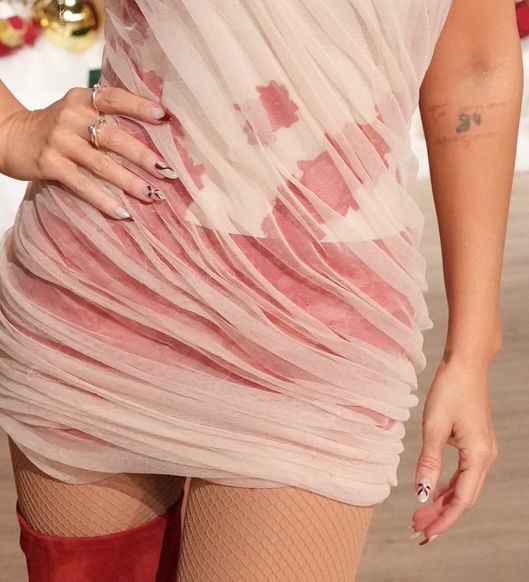
    Aguilera wore a gauzy white and lacy red Di Petsa dress paired with thigh-high, red suede boots. She went full snow-queen glam with her hair and makeup, including Veronica Lake-esque smooth, blonde waves, and—as is customary this time of year—super-shimmery eye shadow in a silvery champagne shade. But as fabulous as these details may be, we're especially enamored with Aguilera's nails.

    Christina Aguilera talking in a red and white dress in front of christmas lightsPhoto: Getty Images
    We don't know if she intentionally coordinated her manicure and her ‘fit, but they truly complement each other. The base of each of Aguilera's almond-shaped nails is polished in an ethereal off-white, which already feels inherently icy and, thus, appropriate for this time of year. But what really gives the mani an especially festive feel are the deep red details. A few nails have a crimson French tip, while others have a bow or a ribbow-like wavy line.

    Closeup of Christina Aguilera's holiday manicurePhoto: Getty Images
    For someone who may be in the market for an on-theme manicure to wear to holiday parties but doesn't want full-blown cutesty Santa and reindeer faces across their fingers, Aguilera's nails serve as sophisticated inspo to bring to your salon. (And don't worry if you can't afford to pair it with a multi-thousand-dollar dress. It will look great with everything!)

  • The Beauty For Certain Soft to Sculpted Contour Palette Proves Bronzer Doesn’t Have to Be Intimidating—Review

    The Beauty For Certain Soft to Sculpted Contour Palette Proves Bronzer Doesn’t Have to Be Intimidating—Review

    Image may contain Paint Container and Advertisement$39 at Beauty For CertainSave StorySave this storySave StorySave this story

    TL;DR:

    • What it is: A highlighting and contouring palette
    • What it does: Adds warmth, depth, and glow to any makeup look
    • Who it’s for: Anyone looking for a non-intimidating, easy-to-use highlighter and contour palette

    As someone who puts approximately negative time into her makeup routine (because I’m lazy, not because I don’t like it!), I need products that are one, not intimidating, and two, easy to use. Beauty For Certain’s Soft to Sculpted Contour Palette falls into both of these categories.

    Because, like I always say, you shouldn’t have to be the next Michelangelo to wield the power of a contour palette (or any palette, really), but if the Beauty For Certain palette is the medium you’re working with, you’ll be just fine, says the woman who pulled a meager B average in high school art class.

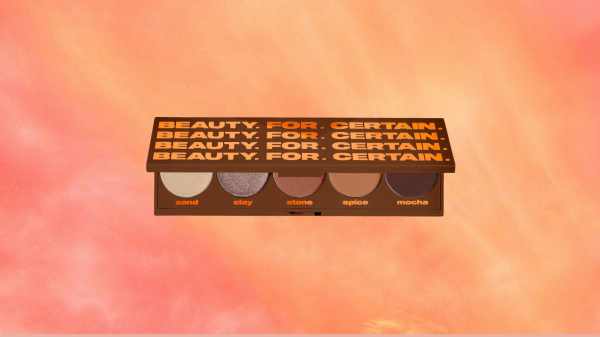
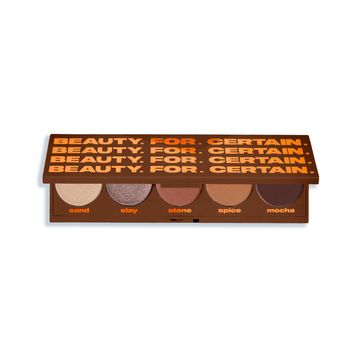
    The five-shade kit has both warm and cool shades, in matte and shimmer textures, leaving lots of looks up to your imagination: Sand (gold shimmer), Clay (brown shimmer), Stone (terracotta matte), Spice (sandy brown), and Mocha (dark brown).

    I tend to break this baby out for special occasions or work events because it needs more time than my usual contour stick, but here’s how I use it: With an angled contour brush, I grab pigment straight from the palette (the Mocha shade) and etch two lines across my forehead, two down my nose, one for each cheekbone (from the temple to mid-cheek), and one under each side of my jawline. Then, I blend. The effect is bronzer-like shading and sculpting. Depending on the look, if I’m going for glowy, I’ll grab a fluffy fan brush and dust the sparkly Sand shade to the tops of cheekbones and temples. The result is bronzy and glistening!

    You can find the Beauty For Certain Soft to Sculpted Contour Palette, along with other editor-loved products, in the December Allure Beauty Box.

    Beauty For Certain Soft to Sculpted Contour Palette

    Beauty For Certain Soft to Sculpted Contour Palette

    $39 at Beauty For Certain$39 at Beauty For Certain

  • Rodial’s Bee Venom Eye Cream Is, Yes, Made With Real Bee Venom—Review

    Rodial’s Bee Venom Eye Cream Is, Yes, Made With Real Bee Venom—Review

    Image may contain Bottle Cosmetics Sunscreen Lotion Dynamite and Weapon$175 at RodialSave StorySave this storySave StorySave this story

    TL;DR:

    • What it is: An undereye cream
    • What it does: Firms and tightens fine lines and wrinkles in the eye area
    • Who it’s for: Anyone looking for an eye cream that targets crow’s-feet and dark circles

    As a beauty director, I’ve seen and tried it all. Snail mucin? Check. Sunscreen made with beets? Double check. But an eye cream formulated with… bee venom? Um, that was definitely a first.

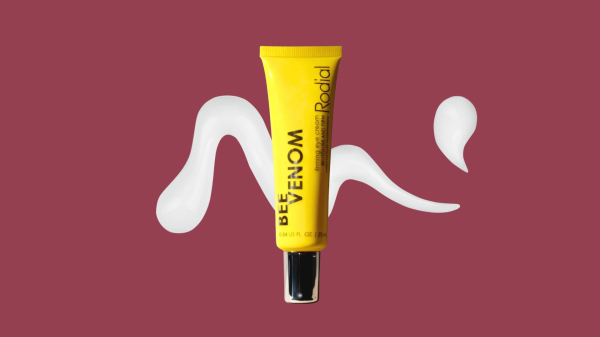
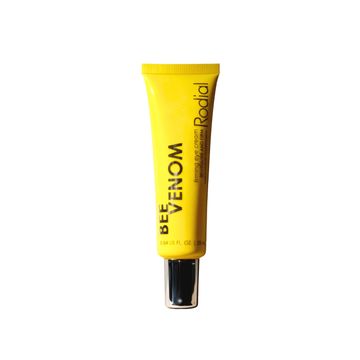
    Enter, the Rodial Bee Venom Eye Cream. As the name implies, this tightening treatment is formulated with bee venom, an ingredient—unbeknownst to me until earlier this year (at least in the beauty industry)—that helps smooth fine lines and plump up skin by way of stimulating blood circulation. When used in eye cream, like this one, it can help target crow’s-feet and undereye puffiness. (If you have a bee allergy, though, tread lightly as what’s inside the tiny tube is the real deal.) Alongside the potent (but totally safe to use!) poison is vitamin C, which brightens the undereye area and helps fade the look of dark circles.

    Although you can absolutely use this treatment twice a day (morning and night), I prefer it in my morning routine because of the vitamin C inclusion. So after I rinse off my nighttime skin care (I don’t wash my face in the a.m.), I apply my prescription topicals and then, using my ring finger, lightly tap the cream under and around my eyes. Once it’s absorbed, I’ll slather on moisturizer and end with some sunscreen. Then, because I’m still getting used to the idea of bee venom in beauty products, you can bet that I’ll probably end up telling a couple people that I’ve got poison on my face. Guys, I’m weird, I don’t know.

    You can find the Rodial Bee Venom Eye Cream, along with other editor-loved products, in the December Allure Beauty Box.

    Rodial Bee Venom Eye Cream

    Rodial Bee Venom Eye Cream

    $175 at Rodial$175 at Rodial

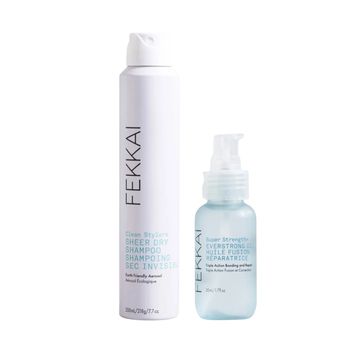
  • Refresh Hair in Literal Seconds With Fekkai’s Biggest Stylers: the Sheer Dry Shampoo and Bonding Hair Oil—Review

    Refresh Hair in Literal Seconds With Fekkai’s Biggest Stylers: the Sheer Dry Shampoo and Bonding Hair Oil—Review

    Image may contain Bottle Cosmetics and Shaker$30 at FekkaiSave StorySave this storySave StorySave this story

    TL;DR:

    • What it is: A dry shampoo and hair oil
    • What it does: The dry shampoo sops up greasy roots while the oil adds shine and smooths fly-aways
    • Who it’s for: Anyone looking to refresh hair in a pinch

    It’s no secret that I’m a lazy beauty director. I opt for the easiest, simplest way to apply and wear my products—and that is absolutely true of my hair care. Because I only wash my hair once a week (I have fine, thin hair, it can’t be bothered!), by mid-week, I usually need a quick refresh to give it both life and love.

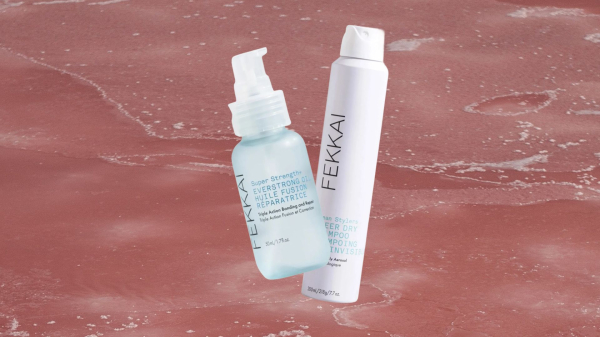
    My roots are usually the first to show signs of wear and tend to get greasy by day four, while my ends dry out and appear brittle. When that happens, I’ll call in the troops: dry shampoo and hair oil. Right now, I’m loving the Fekkai Clean Stylers Sheer Dry Shampoo and Fekkai Super Strength+ Everystrong Bonding Hair Oil. The weightless dry shampoo sops up oil with kaolin clay (without the telltale white cast), while the featherlight elixir—made with sunflower and moringa seed oils—smooths strands, tames frizz, and gives a sleek, shiny finish.

    You’d think applying dry shampoo would be pretty self-explanatory, but it’s actually required trial and error over the years to reduce residue and avoid tacky texture. Here’s what works for me: First, I shake the can and then spritz (about six inches from roots) directly into areas that need a little TLC, like at the scalp, nape of neck, and in between slippery strands. I actually skip spraying directly onto roots because that’s where you’ll see it most, and the point is to not see it. Then I’ll finger-comb around those areas and zhuzh where necessary to ensure all of the white powder is blended and concealed. This also helps to add volume around the crown, which my flat hair desperately needs.

    Then I’ll follow it up with a drop or two of the oil (after warming up in my hands) and gently rake it through dry hair from midlengths to ends. You can use the oil on damp hair, too, but I like it best right after dry shampoo. The result? An instantly refreshed style that looks great and smells cleaner… even four days after shampooing.

    The Fekkai Clean Stylers Sheer Dry Shampoo and Fekkai Super Strength+ Everystrong Bonding Hair Oil were Gift With Purchase options for the December Allure Beauty Box.

    Fekkai Super Strength+ Everstrong Bonding Oil and Sheer Dry Shampoo

    Fekkai Super Strength+ Everstrong Bonding Oil and Sheer Dry Shampoo

    $30 at Fekkai$30 at Fekkai

  • Is the TheraFace Mask Glo Worth It? One Editor Finds Out—Review With Photos

    Is the TheraFace Mask Glo Worth It? One Editor Finds Out—Review With Photos

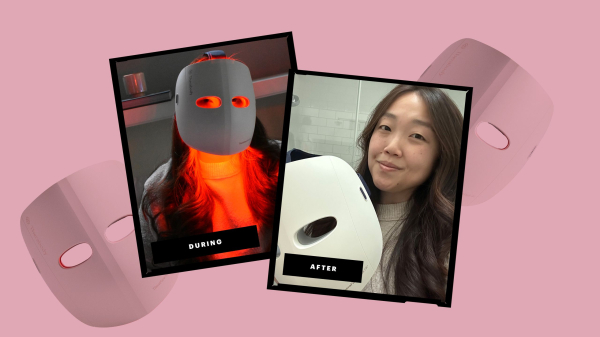
    A collage of Allure editor Christa Joanna Lee wearing the Therabody Theraface Mask Glo and after using the LED mask on a...Collage: Paula Balondo; Source images: Courtesy of Allure editors and brandsSave StorySave this storySave StorySave this story

    When this glowing, futuristic face contraption entered my home, my two kids immediately dubbed it “Mommy’s dress-up helmet.” Fair. But the TheraFace Mask Glo isn’t just good for my kids' entertainment, it’s Therabody’s latest full-face, at-home device, expanding the brand’s viral lineup of wellness tools. It arrives amid the surge of LED masks dominating TikTok and skin-care shelves over the last couple of years, all promising brighter, firmer, clearer skin in less time than taking a decent shower.

    TheraFace Glo sets itself apart by slightly reducing the LED count compared with the original mask, but extending the session to a full 12 minutes—a deliberate choice that keeps the light “dose” effective while making the mask lighter, more breathable, and more comfortable for daily use (which is important). Unlike competitors' masks with shorter cycles, which are usually a selling point, it ensures that each wavelength gets enough time on the skin to trigger benefits before moving on, so you’re not sacrificing results for speed. And finally, because it doesn’t have a mouth hole, the mask delivers more uniform coverage across the lower face, where fine lines often show up.

    After four weeks of testing and plenty of expert input from dermatologists, I have thoughts. Here’s how it works, what sets it apart, and whether it truly deserves a place in your routine (and on your face).

    In This StoryAccordionItemContainerButtonLargeChevron

    • What Is the TheraFace Mask Glo?
    • How the TheraFace Mask Glo Stands Out
    • My Skin Goals
    • How It Works
    • My Experience and Results
    • Is It Worth It?
    • Meet the experts

    What Is the TheraFace Mask Glo?

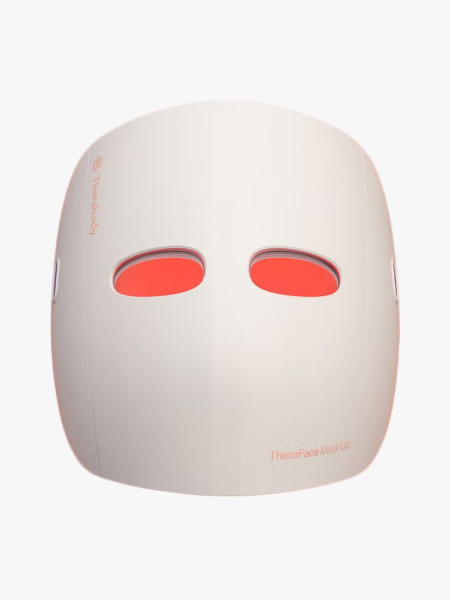
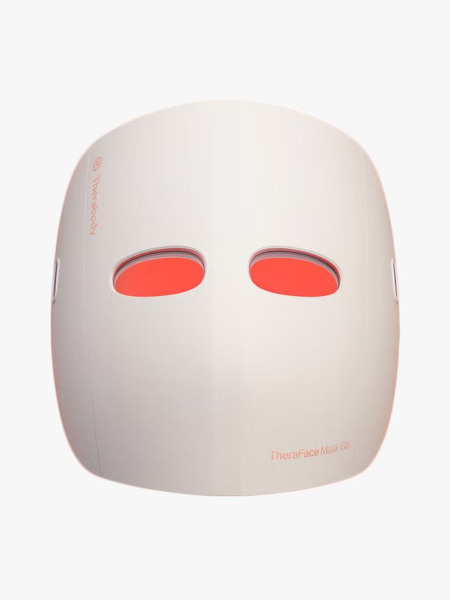
    The next iteration of the 2024 Allure Best of Beauty Award-winning TheraFace LED Mask, the TheraFace Mask Glo is a full-face, cordless, LED light therapy device that delivers three clinically supported wavelengths—red, blue, and infrared—meaning it uses the same light ranges shown in studies to stimulate collagen, reduce inflammation, and target acne-causing bacteria. In the simplest terms, it’s a wearable mask that beams targeted light into the skin to help improve firmness, texture, tone, and breakouts, all without downtime, pain, or lasers.

    Therabody TheraFace Mask Glo in branded component on a light gray background

    Theraface

    Mask Glo

    $380

    Therabody

    Therabody’s clinical testing, backed by the largest study of any LED mask on the market, shows that with consistent use (12-minute sessions, 6 times a week for 12 weeks), participants saw significant improvements. When it comes to the numbers, after 12 weeks of consistent use, the clinical results showed major wins: You can expect a 25.4% bump in radiance and luminosity, noticeably smoother skin texture by 22.9%, and a 13.5% jump in firmness. Plus, the study recorded a 10% decrease in visible skin sagging and 11% improvement in overall skin tone evenness.

    The brand pairs red and near-infrared light for aging concerns, and blue light for breakouts. “I’ve seen real results from LED lights both in studies and in my own patients. These wavelengths can boost collagen production, improve skin texture, and calm mild acne,” says Hannah Kopelman, MD, a board-certified dermatologist in New York City.

    Red, blue, and infrared each work best within specific wavelength ranges: 630–635nm for red, 405–450nm for blue, and 800–850nm for infrared. “Those are the sweet spots that effectively penetrate the skin, stimulate collagen, and reduce inflammation,” says Cheryl Karcher, MD, a board-certified dermatologist in New York City.

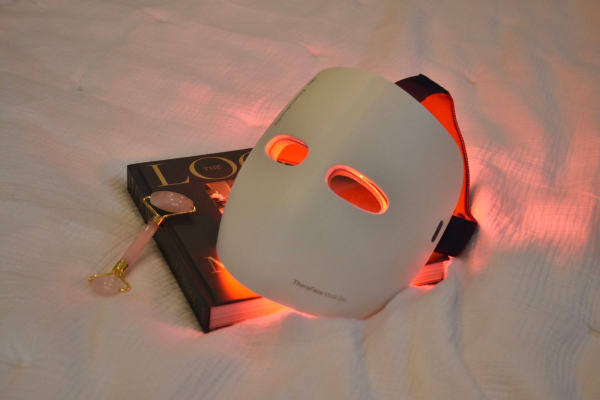
    The TheraFace Mask Glo cycles through all three wavelengths in four-minute intervals, or you can stick with just one if you want to target a specific concern. So whether you’re trying to soften fine lines, keep the occasional breakouts in check, or just brighten up dull skin, it’s basically a one-and-done device.

    TheraFace Mask Glo On Bed red light mask on a book on a bed white a gua sha on light gray background

    The TheraFace Mask Glo in red light mode.

    How the TheraFace Mask Glo Stands Out

    The LED mask category has grown crowded, but the Glo stands apart in a few ways:

    It’s a more contoured fit.

    The TheraFace Mask Glo has a more sculpted, face-hugging shape than many LED masks on the market, thanks to its cushioned eye surrounds and adjustable Velcro strap that help it sit securely without slipping. One big difference: There’s no mouth hole, which makes the fit feel more enclosed but also allows the LEDs to treat the fine lines around the mouth more evenly than masks that leave the area uncovered.

    It has three clinically proven wavelengths.

    Some LED masks stick to just red light, while others toss in blue light but skip infrared. The Glo, like the original TheraFace Mask, covers all three, bringing it much closer to the treatment combinations seen in actual clinical studies. And because LED results depend entirely on using the right wavelengths, Dr. Karcher notes that the Glo hits that sweet spot across the board: red light around 630nm to help soften fine lines and brighten dark spots, red plus infrared at roughly 630nm and 830nm to dive deeper and support collagen, and blue light at 415nm to target acne-causing bacteria.

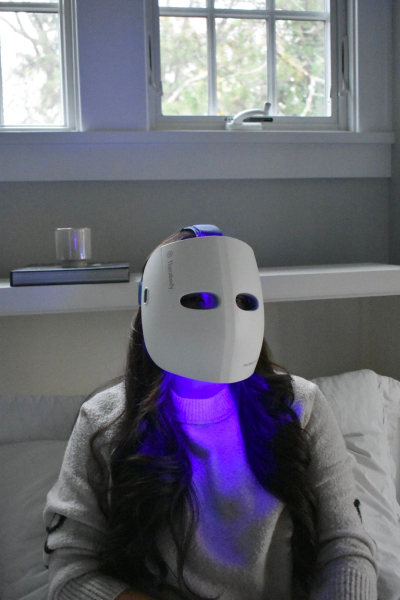
    Allure contributing commerce writer Christa Joanna Lee using the TheraFace Mask Glo in blue light mode

    Allure contributing commerce writer Christa Joanna Lee using the TheraFace Mask Glo in blue light mode.

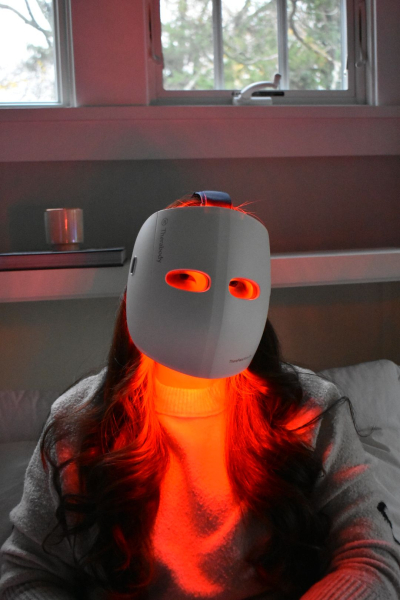
    Christa Joanna LeeAllure contributing commerce writer Christa Joanna Lee using the TheraFace Mask Glo in red light mode

    Lee using the TheraFace Mask Glo in red light mode.

    Christa Joanna LeeIt’s lighter than the OG.

    Yes, the original TheraFace Mask has more LEDs, but it’s also heavier and less practical. The Glo pares things down slightly (504 LEDs instead of 648) to make it more comfortable, which makes it easier to commit to using it multiple times a week.

    It’s completely cordless.

    Many LED masks require a wired controller or plug-in pack, which doesn’t encourage movement. The Glo is completely cordless, so yes, you could putter around the house while wearing it, but I found it much comfier just to stay still and enjoy the moment (more on that later).

    It’s FDA-cleared.

    FDA clearance means the device has undergone a specific review process and been deemed substantially equivalent to existing medical-grade LED technology—a level of scrutiny that no-name versions you might stumble across from third-party retailers don't usually undergo. “It’s important to consider the certification, as only some LED devices are certified for medical purposes,” says Dr. Karcher.

    My Skin Goals

    At 38, my biggest skin-care complaints are probably pretty relatable for anyone with mature skin: dullness, fine lines settling in around my eyes, and the occasional stress-induced breakout. I have melasma, and the only thing that’s ever made a real dent in it has been prescription tretinoin, which I use only in the winter because of the sun sensitivity side effect. The idea that an LED mask could support my skin year-round without those same limitations feels promising.

    Lee using the TheraFace Mask Glo in multiple modes.

    Christa Joanna Lee

    As a first-time full-face LED mask user, I didn’t know what to expect, but Dr. Karcher says an LED mask can help with most of my skin concerns—as long as I stick to it. “Most studies show the effect is modest and depends heavily on at least three to five treatments per week for at least 4 to 10 weeks,” she says. TheraFace actually recommends using the mask daily for 12 weeks, and since I barely deal with acne and often skipped the blue-light cycle, my sessions were more like eight minutes, which made the routine feel much more manageable.

    How It Works

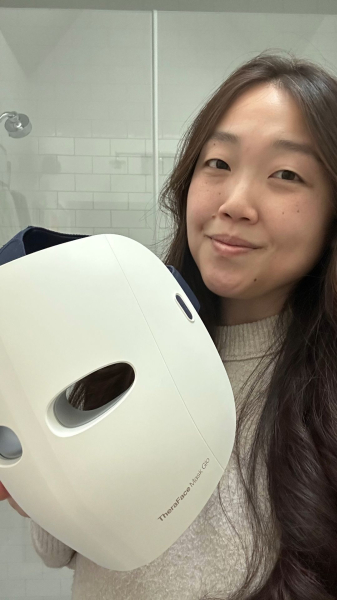
    The TheraFace Mask Glo has a snug, face-hugging fit. The soft suction cups around the eyes help block light and keep the mask from sliding, and the adjustable Velcro strap lets you tighten or loosen it, depending on how cozy you want it to feel. There’s no mouth opening, which makes the mask feel a little more enclosed—and for me, that sometimes meant my breathing felt slightly restricted. But it also means the LEDs actually reach the fine line–prone area around the mouth, something many other masks miss. It may be a couple of ounces lighter than the original TheraFace Mask, but I still found it the most comfortable to use while lying down or reclining. While it’s cordless, the mask is thick enough that your peripheral vision disappears, so wandering around the house felt a bit risky.

    Prep is pretty straightforward: Make sure you start with clean, dry skin, since that’s when LED works best. “I like to use LED therapy on clean skin before applying serums or moisturizer. It helps the skin absorb products more effectively and reduces irritation from active ingredients,” says Dr. Kopelman.

    Using the device is refreshingly uncomplicated as there’s zero setup, no syncing to an app, and no learning curve. The left button controls vibration therapy, which is meant to boost circulation. The button on the right side powers it on and lets you flip between modes: four minutes of red light for collagen and tone, four minutes of red + infrared for deeper wrinkle and elasticity support, or four minutes of blue light for acne. You can also just let it run the full 12-minute cycle. In terms of frequency, “most studies show the effect depends heavily on at least three to five treatments per week for at least 4 to 10 weeks,” says Dr. Karcher. TheraFace actually recommends using the mask daily for 12 weeks.

    My Experience and Results

    LED masks are definitely an investment, but if you’re someone like me who’s juggling kids, deadlines, and an ever-expanding mental load, it was a bit tougher to use the TheraFace Mask Glo every single night. I ended up using it about four evenings a week, and, as Dr. Kopelman reminded me, “skipping sessions slows everything down.” A few minutes a day doesn’t sound like much, but after a long night wrestling through the bath-and-bedtime routine with my kids, even the idea of putting on moisturizer can feel like a heavy lift.

    Therabody TheraFace Mask Glo in branded component on a light gray background

    Theraface

    Mask Glo

    $380

    Therabody

    Christa Joanna Lee holding the TheraFace Mask Glo

    Lee with the TheraFace Mask Glo

    Christa Joanna Lee

    Because I rarely deal with acne and often skipped the blue-light step, my sessions were more like eight minutes, which made the routine feel far more manageable. Hoping to make them shorter, I asked Dr. Karcher whether the infrared step was truly essential. Turns out, it is if you’re chasing smoother-looking skin: Those longer wavelengths “increase collagen synthesis and improve skin elasticity more effectively than red light alone.” So I did what I could—not perfect consistency, but hey, that’s real life.

    Still, after four weeks, my skin looked smoother and brighter, plus the fine lines around my eyes appeared noticeably softer. Even though I skipped the blue-light step most days, I (maybe not so coincidentally?) haven’t had a real breakout. As for the experience, there’s no heat, pain, or tingling—just bright light, made comfortable by the eye shields, which meant I could even read a book during sessions. The vibration therapy is a nice addition, and unlike the original TheraFace Mask, it’s more dispersed and subtle across the face. However, it wasn’t something I felt compelled to use every time.

    The one thing I haven’t noticed much improvement in yet is my melasma. “For deeper wrinkles, significant sagging, or pigment issues like melasma, I rely on other treatments, and LED serves more as a supportive therapy,” says Dr. Kopelman. But since the most dramatic LED results typically show up closer to the 12-week mark, I’m cautiously optimistic that the best may still be ahead.

    Is It Worth It?

    You’d be hard-pressed to find a dermatologist who’d call any LED mask (or any beauty product) a miracle. But is this one of the most convenient, credible, and genuinely user-friendly, at-home LED masks I’ve tested? Absolutely. The trio of clinically validated wavelengths, cordless design, thoughtful fit, and FDA clearance make it an easy yes in my book. And if “Mommy’s dress-up helmet” keeps my skin smoother and buys me a few blissfully uninterrupted minutes in the name of “research” every day? That’s the kind of magic I can get behind.

    Meet the experts

    • Cheryl Karcher, MD, is a board-certified dermatologist at Center Aesthetic & Dermatology in New York City.
    • Hannah Kopelman, MD, is a board-certified dermatologist at Kopelman Hair Restoration in New York City.